Cute Bunny Plush Toy: A Designer’s Honest Embroidery Review
First Impressions: Whimsy Meets Practicality
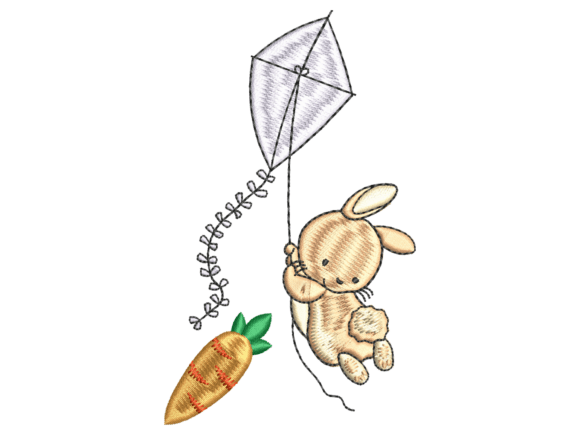
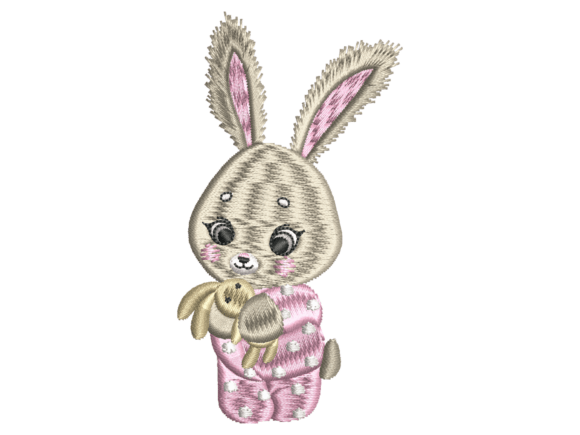
When I first opened the Cute Bunny Plush Toy embroidery file, I was struck by its soft, playful aesthetic. It’s the kind of design that immediately feels at home in baby items, boutique apparel, and personalized gifts. The bunny is rounded, friendly, and stylized just enough to feel modern without losing that nostalgic plush charm. The layout is balanced, with clear focal points and a moderate level of detail—nothing too dense, but enough to keep the design engaging.
From a designer’s perspective, this is a solid choice for both beginners and experienced embroiderers looking to add a touch of whimsy to their work. It doesn’t scream “novelty,” which makes it versatile for a range of projects beyond just children’s wear. Think holiday gifts, boutique branding, or even a subtle accent on kitchen towels or tote bags.
Real-World Use: Where Does It Shine?
I tested the Cute Bunny Plush Toy design across several materials and product types to see how it would hold up in actual embroidery scenarios. Here’s how it performed:
- Sweatshirts & Hoodies: The design scaled well on medium-weight fleece. The stitch definition stayed crisp, and the bunny’s features held up without distortion on the thicker fabric.
- Baby Onesies: Applied on a 4x4 hoop, it made a charming chest accent. The gentle curves stitched cleanly, and the thread contrast worked beautifully on pastel fabrics.
- Tote Bags: Centered on a cotton tote, the bunny added a soft handmade touch. Paired with a simple monogram, it transformed into a personalized gift with minimal effort.
- Embroidered Patches: When stitched on felt with a tight satin border, it became a durable patch perfect for sew-on or iron-on applications.
- Holiday Gifts: A quick stitch on a tea towel with a coordinating thread color made a sweet Easter or springtime gift set.
Overall, the Cute Bunny Plush Toy works best on smooth, stable fabrics where the design’s details can be fully appreciated. It’s ideal for small business owners and Etsy sellers looking to create cohesive, themed product lines without overcomplicating the embroidery process.
Where to Be Cautious: Fabric, Fit, and Finer Details
While the design is charming, it does come with a few considerations. As with any embroidered bunny motif, there are curved elements and small facial features that may not translate well in every situation.
Here’s where to tread carefully:
- Small hoop sizes: If you’re working with a 3x3 hoop, you may lose some of the finer details like the bunny’s nose or inner ear highlights.
- Textured or stretchy fabrics: Knits and loosely woven materials can distort the satin-stitched outlines. Use a quality stabilizer and test on a swatch first.
- Dark fabrics: The lighter thread colors may not pop as expected. Consider adjusting the palette or adding a shadow layer digitally before stitching.
- Curved surfaces (like caps): The bunny’s round shape might warp slightly on a curved surface. Test on a cap blank and adjust hoop positioning if needed.
- Frequent-wash items: If you're embroidering on baby clothes or kitchen linens, check stitch density and thread quality to avoid fraying or wear over time.
Visual Appeal and Marketability: What It Brings to Your Product
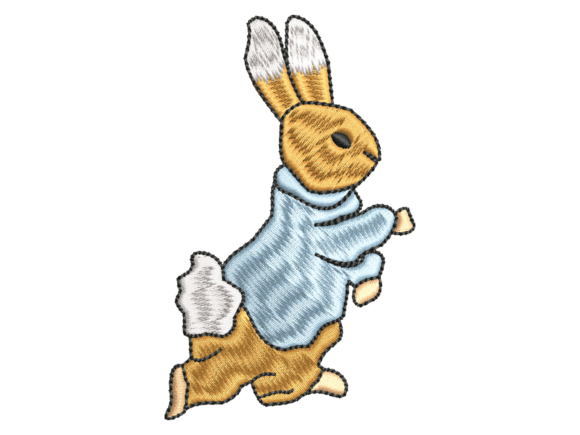
One of the strongest assets of the Cute Bunny Plush Toy design is its visual friendliness. It’s not just a bunny—it’s a recognizable character that can elevate your finished product from generic to memorable. Whether you're making a custom embroidered sweatshirt or a boutique-style baby blanket, this design adds an emotional hook.
From a business standpoint, it helps build brand consistency when used across multiple items. If you’re selling on Etsy or at craft fairs, having a cohesive design like this can help your work stand out and feel more professionally curated. Customers respond well to cute, recognizable motifs, especially when they’re stitched cleanly and thoughtfully.
It also adds value to digital product offerings. If you're reselling embroidery files or offering custom embroidered goods, this design works well as part of a themed collection—think Easter, spring, baby shower, or boutique baby apparel. Just be sure to check licensing terms before selling finished items or bundled digital embroidery files.
Designer Notes: What to Check Before You Stitch
Before committing to the Cute Bunny Plush Toy for a client project or product line, here are a few practical checks I recommend:
- Test on scrap fabric: Always stitch a sample to evaluate how the bunny looks in real thread and fabric.
- Review thread color contrast: Some digital previews may not accurately represent how colors will blend or pop on your chosen background.
- Check stitch density: Ensure the fill stitches aren’t too heavy for your fabric weight, especially on baby items.
- Confirm hoop size: Make sure the design fits your machine’s capabilities, especially if you’re using a smaller hoop.
- Inspect small details: Zoom in on the file to ensure the bunny’s facial features and inner outlines will stitch clearly.
- Try black and white mockups: This helps assess how the design will look on dark or patterned fabrics.
- Use proper stabilizer: For best results, especially on stretchy or delicate materials, don’t skip the stabilizer step.
- Verify commercial use rights: Since this is a digital embroidery file, confirm whether it’s licensed for resale or commercial embroidery projects.
Final Thoughts: A Versatile Design for Real-World Makers
The Cute Bunny Plush Toy isn’t just another bunny embroidery—it’s a thoughtful, adaptable design that works well across a range of products and audiences. Whether you're creating personalized gifts, custom apparel, or digital design assets, this bunny brings a soft, approachable energy that customers will appreciate.
It’s not overly complex, which makes it great for small shop owners and Etsy sellers who need consistent, quality designs without the headache. Just be mindful of fabric choices and test thoroughly before production. Done right, this embroidery file can become a staple in your design toolkit.