Patriotic Peace Sign Hand: A Designer’s Real-World Embroidery Review
First Impressions: Bold, Patriotic, and Loaded with Meaning
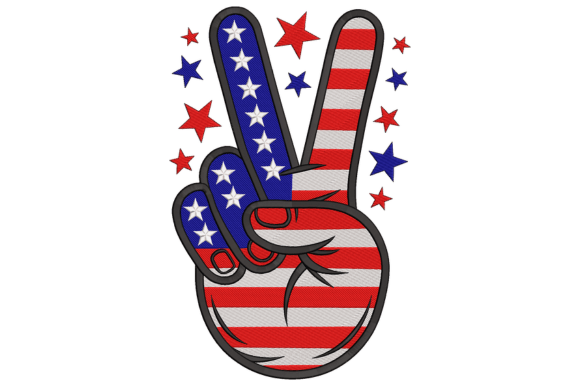
As a designer who regularly tests embroidery files for both personal and client work, the Patriotic Peace Sign Hand immediately caught my eye. It’s a strong visual concept—combining the peace symbol with the American flag inside a hand gesture. It’s not just a design, it’s a statement. The balance between symbolism and clarity is tricky to pull off, but this one lands somewhere in the sweet spot between artistic and recognizable.
From a design standpoint, the layout feels intentional. The peace sign is central, but the stars and stripes within the hand give it a distinctly American flair. It reads well at a glance, which is important when you're embroidering for boutique products, holiday gifts, or small shop merchandise. The theme is perfect for Independence Day collections, but also versatile enough to work year-round in the right context.
Real-World Use: How It Performs Across Common Embroidery Projects
I tested this design across a few common embroidery applications—tote bags, sweatshirts, and baby onesies—to see how it would hold up under different fabrics and stitching conditions. Here’s how it played out:
- Tote Bags: On a medium-weight cotton canvas, the Patriotic Peace Sign Hand stitched out cleanly. The satin and fill stitches held their shape, and the color contrast between red, white, and blue threads was sharp. It added a boutique-level finish to a simple bag, which is great for Etsy sellers or craft fair vendors.
- Sweatshirts: Knit fabric can be tricky for embroidery, especially with detailed designs. I used a lightweight cutaway stabilizer and was happy with the results. The design maintained its crisp edges and didn’t pucker or distort. It looked professional and wearable, perfect for a small shop’s seasonal collection.
- Baby Onesies: This was a bit of a challenge. The hand shape is relatively large, so scaling down for a baby size required some judgment. I’d recommend using this on 12-month and up sizes. At that scale, the stars and stripes still read clearly, and the design didn’t overwhelm the garment.
I also tried it on a patch format for a personalized gift idea. The result was clean and professional, and the design translated well into a sew-on or iron-on patch. For small business owners offering custom patches, this could be a seasonal hit.
Where to Use with Caution
While the Patriotic Peace Sign Hand is visually strong, it does come with some practical limitations depending on the project:
- Small Hoop Sizes: This design has enough detail that it may not scale well for small hoops. You’ll want to test it on scrap fabric before committing to a finished product.
- Textured or Stretchy Fabrics: I noticed slight distortion on ribbed knit and fuzzy fleece. A good stabilizer helps, but be cautious if you’re embroidering on curved surfaces or layered garments like caps.
- Dark Fabric Backgrounds: The stars and stripes rely on contrast. On very dark fabric, some of the white stitching may get lost. Consider thread color adjustments or a light underlay if you’re using this on black or navy items.
- Detailed Corners: The fingers of the hand are fairly narrow. If your machine doesn’t handle tight satin stitches well, you may see some fraying or thread breaks, especially with low-quality threads.
Impact on Product Appeal and Customer Perception
One of the biggest selling points of this design is its visual impact. It's not just another generic holiday embroidery file—it tells a story. Whether you're creating a custom machine embroidery design for a boutique shirt or a personalized gift for a loved one, the Patriotic Peace Sign Hand adds emotional value to the finished product.
From a branding perspective, this design works well for small shops looking to build a patriotic or peace-themed collection. It’s recognizable, easy to market, and fits into both handmade and digitally sold product lines. For Etsy sellers or digital product creators, including this in a themed bundle could boost visibility and engagement.
It also holds up well in mockups. I tested it in both light and dark fabric mockups, and it scaled nicely for digital previews. If you're selling embroidery files or design assets online, this design gives buyers a clear idea of what they’ll get on the finished product.
Practical Designer Notes Before You Stitch
Here are some key tips I picked up while working with the Patriotic Peace Sign Hand:
- Test on Scrap Fabric First: Always a good rule, but especially important with this design due to the detailed hand shape and color contrast.
- Check Thread Color Contrast: The stars and stripes depend on strong thread choices. Test with both bright and muted palettes to see which gives the best definition.
- Review Stitch Density: Dense areas like the flag stripes can lead to stiffness or puckering if not stabilized properly. Lighten the density if needed.
- Confirm Hoop Size: Make sure your hoop can accommodate the design without crowding the edges. Too tight, and you risk distortion.
- Inspect Small Details: The stars are small, so test how they stitch out on your machine. Some may require a slower speed or finer needle.
- Use Proper Stabilizer: Especially on stretchy or textured fabrics. A medium-weight tear-away or cutaway works best.
- Check Licensing: If you're planning to sell finished items or digital embroidery files, always confirm the license terms before production.
Final Thoughts: A Thoughtful Design for Patriotic Projects
The Patriotic Peace Sign Hand isn’t just another holiday embroidery file—it’s a design that carries emotional weight and visual impact. It works well across a variety of handmade products, from custom apparel to holiday gifts, and can easily become a staple in your design library if used thoughtfully.
For small business owners and crafters, this is a design worth testing. It brings a unique blend of symbolism and style to any project, and with the right fabric and stabilizer, it can elevate your finished product from basic to boutique-level. Just remember to test, adjust, and think critically about where and how you’re applying it.