Slow Burn: A Thoughtful Embroidery Design for Cozy Charm
First Impressions: Whimsy Meets Romance
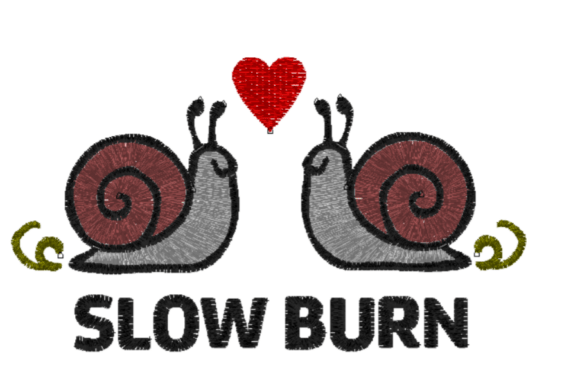
Opening the Slow Burn embroidery file, I was struck by the gentle, whimsical tone of the design. Two snails facing each other, each leaving a trail of tiny hearts, immediately evokes a sense of slow, intentional affection. It’s not bold or flashy — it’s the kind of design that speaks softly and lingers. The layout is balanced and symmetrical, which makes it visually pleasing and easy to integrate into a variety of projects. The level of detail is just right — enough to feel handcrafted, but not so intricate that it becomes overwhelming.
Real-Life Use: Perfect for Personalized and Boutique Projects
I recently tested Slow Burn on a custom embroidered tote bag for a client who wanted a subtle Valentine’s Day gift idea for her boutique customers. The snails and heart trails stitched cleanly on medium-weight cotton canvas with minimal thread breaks. The design scaled well to a 4x4 hoop, maintaining clarity in the small details like the snail shells and heart outlines. It would also work beautifully on sweatshirts, baby onesies, and even linen tea towels for a handmade kitchen set.
What stood out was how the design felt both playful and mature — not too cutesy, and not too literal. It has a timeless charm that makes it suitable beyond just February 14th. A local Etsy seller I collaborate with used Slow Burn on a set of nursery decor items, and the softness of the image made it unexpectedly versatile for gender-neutral baby embroidery.
Commercial Appeal: From Patches to Holiday Merch
For craft business owners and Etsy sellers, Slow Burn offers a unique visual hook without being too niche. I used it as a central motif on a custom embroidered patch for a small apparel brand that wanted to add a touch of personality to their spring collection. The patch turned out clean and professional, with the heart trails adding a subtle decorative flair. On a holiday gift line, I paired it with minimalist gift tags and packaging, and it helped elevate the handmade presentation.
It also works well as a digital embroidery file preview — the design’s soft edges and gentle curves make it easy to visualize on mockups. Whether used on a boutique sweatshirt or a personalized pillow cover, Slow Burn adds a layer of emotional connection that many customers appreciate in handmade products.
Where to Use with Care
While Slow Burn is a strong design overall, there are a few practical considerations. On stretchy or thin fabrics like lightweight knits or sheer linens, the heart trails might distort slightly unless proper stabilizer is used. I noticed minor puckering on a stretchy baby bodysuit until I layered in a lightweight tear-away stabilizer.
The design also loses some of its nuance on very dark fabrics. The thread contrast becomes less defined, especially in the fine heart trails. If you’re planning to use it on black or navy items, consider adjusting thread colors or opting for metallic or high-contrast thread combinations.
Small hoop sizes can also be a challenge. At under 3 inches wide, the snail details start to blur a bit, particularly in the shell patterns. It’s still usable, but you’ll want to test it on scrap fabric first to ensure stitch clarity. For curved surfaces like caps or mugs with embroidered sleeves, the design holds up well as long as the hoop placement is centered and secure.
Design Notes for Embroidery Professionals
- Test on scrap fabric before stitching on final garments, especially if using textured or stretchy materials.
- Check thread color contrast — especially for the heart trails and snail outlines. A light gray or white thread can help maintain visibility on darker backgrounds.
- Review stitch density — Slow Burn uses a moderate stitch count, which works well for most machines, but denser areas like the snail shells may require tension adjustments.
- Confirm hoop size compatibility — it works best in 4x4 or larger hoops to preserve detail.
- Inspect small details like the heart trails under magnification to ensure they stitch cleanly.
- Test in black and white mockups to see how the design reads without color cues.
- Compare light and dark fabric backgrounds to evaluate visual impact and contrast.
- Use proper stabilizer — especially for stretchy or loosely woven fabrics.
- Verify licensing if you plan to sell finished products or digital embroidery files that include Slow Burn.
Final Thoughts: A Design That Grows on You
Slow Burn is the kind of embroidery design that doesn’t shout for attention but earns appreciation over time. It’s versatile enough for a wide range of projects — from custom apparel to holiday gifts — and has a quiet elegance that sets it apart from more literal or clichéd Valentine’s Day motifs. For small shop owners and digital product sellers, it’s a design that can be marketed year-round with a little creative framing.
If you’re looking for an embroidery file that adds emotional depth and handmade charm without overwhelming the final product, Slow Burn is worth a closer look. Just remember to test, adjust, and think through fabric choices carefully — and you’ll find it becomes a go-to design in your embroidery project toolkit.