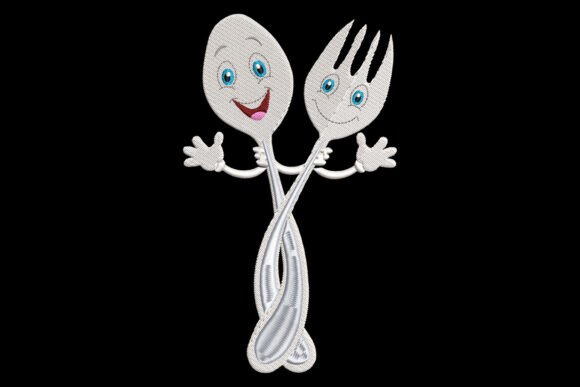
Spoon and Fork: A Subtle Kitchen Charm for Embroidery Projects
First Impressions: A Delicate Balance of Simplicity and Style
When I first opened the Spoon and Fork embroidery design file, I was struck by how understated yet expressive it is. The design captures a classic kitchen utensil pairing with a soft, almost whimsical touch. It doesn’t scream for attention, but rather invites a closer look—perfect for those who appreciate subtlety in their embroidery work.
From a design standpoint, the layout is clean and balanced. The spoon and fork are arranged in a way that feels natural, like they’re resting beside a plate after a meal. The lines are smooth, and the stitch paths appear well-structured. It’s a design that leans toward minimalism but still carries enough detail to feel intentional and well-crafted.
Real-Life Application: Where Spoon and Fork Truly Shines
I recently worked on a custom tote bag line for a small café brand, and I considered using Spoon and Fork as a subtle accent on the side panels. It turned out to be a great fit. The design’s modest size and gentle curves made it ideal for adding personality without overwhelming the fabric.
- Tote Bags: Works beautifully as a side or corner accent. It adds charm without competing with branding or slogans.
- Sweatshirts: Placed just above the hem or near the sleeve seam, it gives a boutique-level finish.
- Tea Towels: Paired with a coordinating font or monogram, it makes a lovely kitchen gift or Etsy listing.
- Baby Clothes: Perfect for a onesie or burp cloth, especially when combined with other soft, themed elements.
The design’s versatility also makes it a solid choice for holiday-themed items—think embroidered kitchen towels for Thanksgiving or personalized aprons for a bridal shower.
Performance in Stitch: What to Expect Under the Needle
In practice, Spoon and Fork stitched cleanly on a standard cotton canvas. The satin and fill stitches blended well, and there was no noticeable puckering or distortion. I tested it on both light and dark fabrics, and while the contrast was more pronounced on lighter backgrounds, it held up nicely on darker tones when using a thread with good sheen.
One thing I noticed is that the design relies on clean lines rather than heavy texture, so it may not stand out as much on highly textured fabrics like thick towels or fuzzy baby blankets. In those cases, consider adding a background applique or layering with another design to enhance visibility.
Where to Use Spoon and Fork with Caution
While the design is elegant, it does have some limitations depending on your project type:
- Small hoop sizes: If your hoop is under 4x4 inches, you may lose some of the finer details, especially around the fork tines or spoon curve.
- Stretchy or thin fabric: These materials may distort the design’s shape during stitching. Use a firm stabilizer underneath.
- Curved surfaces: Think caps or mugs—this design is best suited for flat, stable areas.
- Detailed corners: Avoid placing it in tight corners where part of the design might get cut off or distorted.
- Frequent washing: While the stitch density is adequate, avoid using it on garments that will be laundered often unless you reinforce the back with a wash-away stabilizer.
Design Impact: How Spoon and Fork Elevates Your Work
What makes Spoon and Fork stand out is how it quietly elevates the overall presentation of a finished product. Whether it’s stitched onto a boutique-style apron or a personalized pillow, it adds a layer of sophistication without being flashy.
For Etsy sellers or small shop owners, this design can help establish a consistent visual theme across your kitchen or food-related items. It’s not so literal that it feels gimmicky, and not so abstract that it’s hard to market. It strikes a balance that makes it both recognizable and repeatable across product lines.
From a customer perspective, subtle designs like this one tend to feel more “designed” than mass-produced. They appeal to buyers who appreciate thoughtful, handmade touches—especially when paired with a personal message or monogram.
Designer Notes: Practical Tips Before You Stitch
Before you commit to stitching Spoon and Fork on a client project or product line, here are a few things I recommend testing:
- Test on scrap fabric first: Always run a sample before stitching on your final material.
- Check thread color contrast: Especially on dark or patterned fabrics, ensure the colors read clearly.
- Review stitch density: Make sure the design isn’t too dense for your fabric type.
- Confirm hoop size compatibility: Know your machine’s limitations before starting.
- Inspect small details: Zoom in on the digital file to check for any potential stitch gaps or overlaps.
- Test in black and white mockups: Helps visualize how the design will look on different fabric tones.
- Use proper stabilizer: Especially important for stretchy or thin materials.
- Confirm licensing: Ensure the design is cleared for commercial use if you plan to sell finished items or digital embroidery files.
Final Thoughts: A Staple Design for Kitchen and Lifestyle Embroidery
Overall, Spoon and Fork is a quiet but effective design that fits well into a variety of kitchen and lifestyle embroidery projects. It’s not a showstopper, but that’s exactly what makes it useful—it complements rather than competes.
Whether you’re an embroidery designer, craft business owner, or Etsy seller, this design is worth keeping in your toolkit. It offers flexibility, visual appeal, and a timeless charm that translates well across products. Just be sure to test it thoroughly and pair it thoughtfully with your materials and branding for best results.